

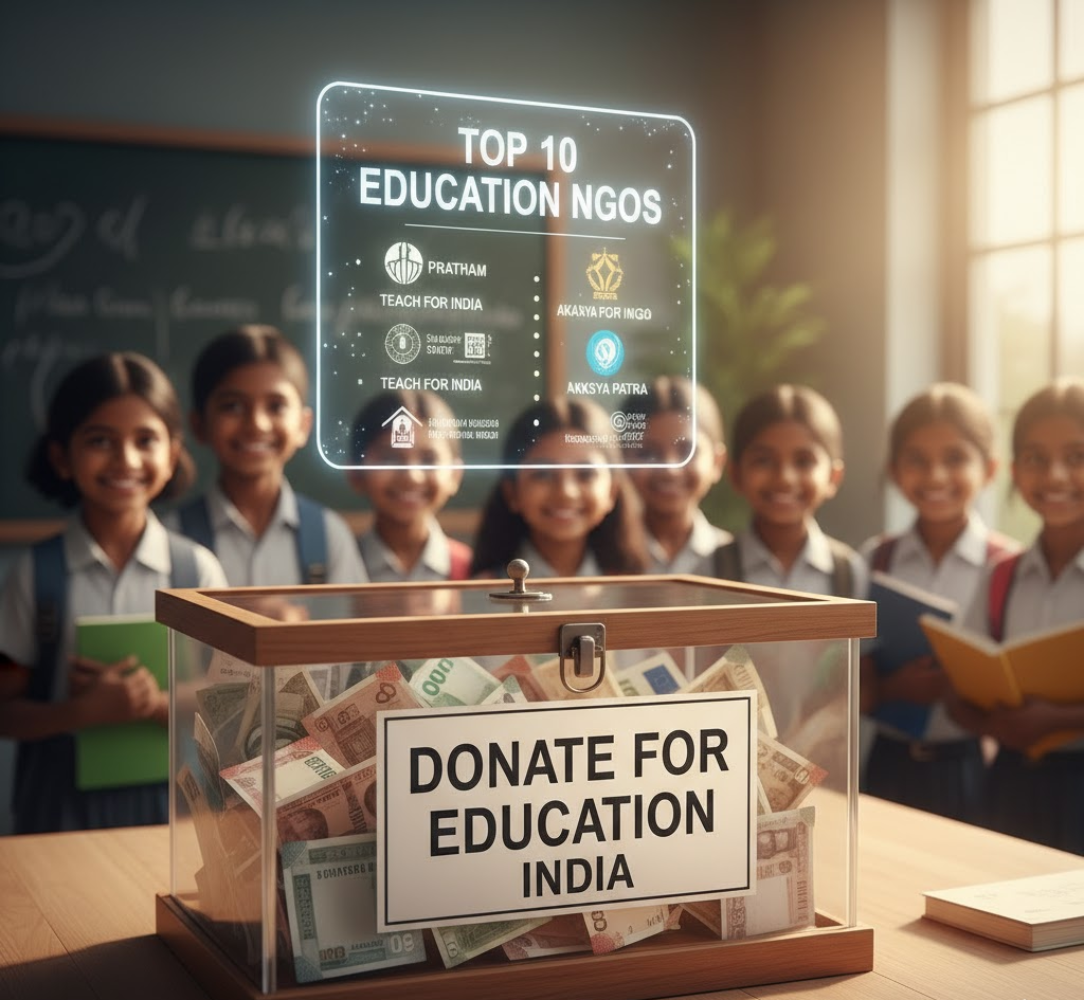
The desire to directly impact a child’s life is the driving force behind the decision to Sponsor a Child in India. This commitment offers a tangible, personal connection to the profound act of charity, transforming an abstract donation into a real-life success story. However, in the vast and sometimes complex landscape of non-profit work, ethical concerns and questions about accountability are valid.
Choosing the right NGO for Education in India is paramount to ensuring your financial commitment translates into genuine, sustainable transformation—not just for one child, but for their entire community. This comprehensive guide will walk you through the ethical considerations, due diligence process, and key organizational models to help you select a trusted partner that maximizes the impact of your generosity.
Ethical Giving: The Foundation of Sponsor a Child in India Programs
Ethical sponsorship is about maximizing a child’s well-being while minimizing potential risks to their privacy and dignity. For programs focused on education, the goal is empowerment, not dependency.
Avoiding Pitfalls: Community vs. Individual Sponsorship
When you decide to Sponsor a Child in India, you will encounter two primary models. Understanding the difference is crucial for ethical giving:
| Model | Description | Ethical Advantage |
|---|---|---|
| Individual Sponsorship | Funds are tracked directly to one child; communication is personal and direct (letters, photos). | Provides a deep emotional connection for the donor. |
| Community Sponsorship | Funds are pooled to support all children (e.g., school infrastructure, teachers, meals) within a defined geographic area. | Ensures all children benefit equally, avoids creating potential resentment or dependency issues within the community, and provides more stable funding for systemic costs (like teacher training). |
While individual communication is often desired, many trusted NGOs for Education in India now prioritize the community model, recognizing that systemic needs (like clean water and qualified teachers) benefit every child, making the impact broader and more equitable.1
Protecting Privacy and Dignity
A reputable NGO for Education in India will strictly protect the privacy of the children. They will:
- Obtain Consent: Always secure formal, informed consent from the child’s parents or guardians for any photos or public communication.
- Respect Boundaries: Limit the frequency and type of communication to protect the child’s identity and prevent them from feeling like a charity object.
- Focus on Empowerment: Ensure the narrative surrounding the sponsorship focuses on the child’s achievements and agency, rather than emphasizing poverty or deficit.
Due Diligence: Choosing the Right NGO for Education in India
Trust is built on transparency. Before you commit to a multi-year pledge to Sponsor a Child in India, you must verify the organization’s operational and financial health.
Key Verification Checklist for NGOs
- Financial Transparency:
- Audit Reports: Can you easily find and download the NGO’s most recent annual audited financial statements (preferably from the last 2-3 years) on their website?
- Administrative Cost Ratio: Look for organizations that channel the majority of funds (ideally 80% or more) directly into program services, keeping administrative and fundraising costs low.
- Legal Compliance:
- FCRA Registration: If the NGO receives foreign funding (and most sponsorship programs do), they must be registered under the Foreign Contribution (Regulation) Act (FCRA) and have a valid registration number.2
- Tax Exemption: Verify their eligibility to issue tax-exempt receipts (e.g., 80G certificate in India).
- Program Effectiveness:
- Measurable Outcomes: Does the NGO report on specific educational results? Look for metrics like improvement in grade-level competency, reduced dropout rates, and transition rates to secondary school, not just enrollment numbers.
- Partnership Model: Do they work with local government schools or parallel to them? Working with the government ensures their programs are scalable and eventually sustainable without external funding.
Top Models for Educational Impact in India
When looking for an ethical and effective NGO for Education in India, consider organizations that employ proven, high-impact strategies:
| NGO Focus Model | Goal of the Program | Example of Impact |
|---|---|---|
| Foundational Learning | Remedial teaching to bring all students to grade level (e.g., Pratham). | Proven, rapid improvement in literacy and numeracy among struggling students. |
| Girl Child Retention | Addressing socio-cultural barriers (safety, sanitation, gender norms) that cause girls to drop out (e.g., Educate Girls). | High success rates in enrolling and retaining out-of-school girls, particularly in rural areas. |
| Teacher Quality/Leadership | Investing in teacher training and placing high-calibre educators in low-income schools (e.g., Teach For India). | Systemic improvement in teaching methods and the creation of future educational leaders. |
| Holistic Support | Combining education with necessary support like mid-day meals and health checks (e.g., Akshaya Patra). | Direct link between nutrition, health, and improved school attendance/concentration. |
By supporting these systemic models, your Sponsor a Child in India donation ensures that the educational ecosystem is strengthened for generations of children, not just one.
Your Legacy: Maximizing Impact Through Informed Sponsorship
Choosing to Sponsor a Child in India is a deeply personal and powerful choice. It requires moving past emotional appeal and committing to informed due diligence. By selecting a transparent NGO for Education in India that prioritizes community well-being, adheres to ethical standards, and demonstrates measurable educational outcomes, you are ensuring your generosity is maximized.
Your sponsorship becomes more than just a monthly payment; it becomes a strategic investment in human capital. It fuels systemic change, builds strong local educational institutions, and helps break the cycle of poverty, establishing a profound and lasting legacy.