

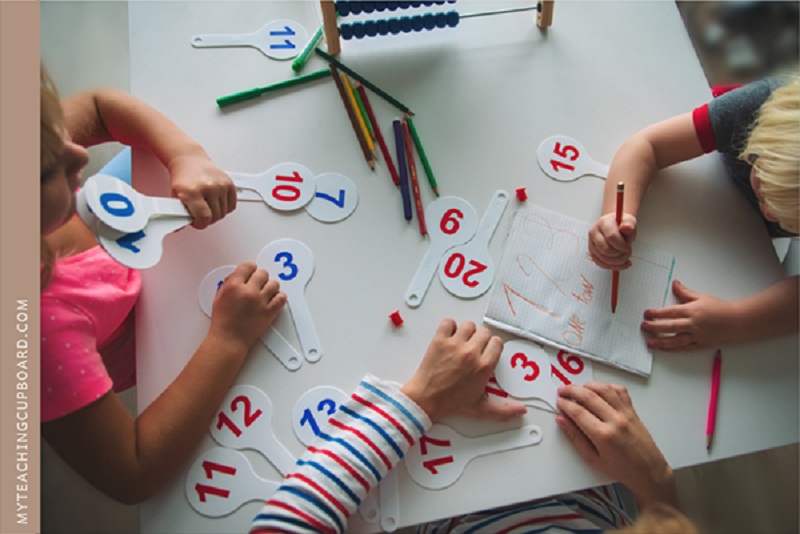
Math often feels abstract and distant. Students sometimes struggle to connect numbers with real meaning. This gap makes learning harder and less enjoyable. Interactive tools change that by creating a bridge. They give students a way to see and touch ideas. This makes abstract rules feel real. Therefore lessons become less intimidating and more exciting. A simple equation becomes a visible shape. A simple shape becomes a moving figure. Each step turns invisible concepts into living experiences. Students begin to connect math with daily life.
Bringing Algebra to Life
The interactive math lessons help make algebra easier. Students can move variables and see changes. This gives a direct connection between action and result. An interactive graphing tool can show slope. That slope can then shift with each adjustment. Therefore a line is no longer static. A curve bends and reacts with input. Each graph becomes an active partner in learning. The process builds deep intuition for rules. A formula is not just memorized words. This is a living and moving idea.
Exploring Geometry Through Models
Geometry becomes engaging through visual models. A flat shape grows into a solid form. A cube can rotate with simple clicks. This helps learners understand depth and angles. A student can slice a figure virtually. This slice reveals hidden parts of the shape. Therefore abstract rules of volume become real. Each model is both object and teacher. Geometry feels like building blocks of life. Interactive math lessons help to make this shift. A rule of distance becomes a real path.
Simulating Probability and Statistics
Probability often feels like guesswork without tools. Interactive simulations show patterns with clear visuals. A simple coin toss becomes a running model. The model shows results after many tries. This builds trust in the laws of chance. Therefore uncertainty feels less random and more structured. Students can adjust inputs and view results. Each run shows how numbers tell a story. A chart fills with meaning after experiments. This is where lessons feel alive and playful. A concept becomes personal through interaction and discovery.
Making Learning Intuitive
Math learning grows stronger with visual support. Interactive methods build confidence with each session. Students enjoy lessons that respond to their touch. This is how math becomes intuitive and easy. Therefore the subject feels less like memorization. Yet like math it shows how design depends on patterns. Every stitch follows a hidden equation of form. This shows how math is present in life. Interactive math lessons help uncover that hidden design.