

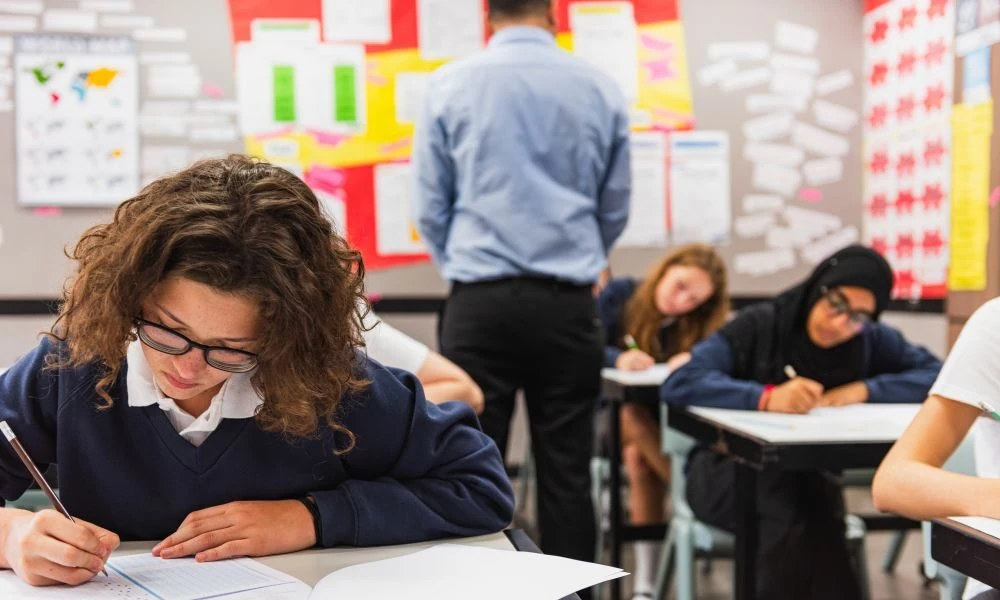
Strong schooling shapes habits alongside knowledge. In chiang mai international schools, lessons can connect academic progress with everyday choices. A mathematics task might demand patience and accuracy. A group project can also test listening and fairness. Such moments give learners space to practice responsibility while studying. Over time, classroom experiences can influence conduct beyond school. Academic achievement then gains greater meaning through personal growth.
Challenging Lessons Can Build Inner Discipline
Difficult work teaches more than subject knowledge. Learners must plan tasks, handle mistakes, and revise answers. Each stage rewards patience instead of quick completion. Teachers can support this process without removing useful struggle. As confidence develops, students become more willing to examine errors. That habit can strengthen both judgment and persistence.
Can Cultural Experiences Shape Everyday Conduct?
Cultural learning gains value through direct experience, chiang mai international schools can connect lessons with community activities and local perspectives. Such exposure gives learners practical chances to practice respect. It also helps children notice viewpoints beyond familiar surroundings.
- Shared projects encourage thoughtful cooperation.
- Local activities develop social awareness.
- Different viewpoints challenge fixed assumptions.
- Reflection helps learners understand their responses.
Responsibility Grows Through Genuine Choices
Rules alone cannot teach personal responsibility. Learners need situations where decisions carry clear results. A class leader might organize materials for peers. Another student could guide a shared research task. When plans fail, teachers can encourage honest review. That response teaches ownership without turning mistakes into shame.
What Makes Group Work More Valuable?
Effective collaboration requires more than sitting together. Each participant needs a meaningful role and clear purpose. Problems arise when one voice controls every decision. Structured tasks can instead reward listening, compromise, and shared effort. These habits matter beyond classrooms because workplaces also depend on cooperation.
- Rotating roles give everyone leadership practice.
- Peer feedback strengthens careful listening.
- Shared deadlines encourage dependable behavior.
- Team decisions reveal personal priorities.
Ethical Questions Can Enrich Core Subjects
Character development need not become a separate lesson. Literature can examine difficult choices made by characters. Science can explore responsible decisions around natural resources. History can invite learners to compare competing viewpoints. These discussions connect knowledge with judgment. They also show why information needs careful use.
Reflection Turns Experience Into Better Judgment
Reflection gives learners time to examine recent choices. A short journal can reveal what worked or failed. Teacher discussions can then connect those observations with future actions. After a difficult group project, a learner might recognize weak listening habits. That insight can guide the next shared task.
A Small Choice Can Carry Further
A quiet decision can reveal genuine character. Choosing to hear another teammate may matter greatly. Such conduct often begins during ordinary classroom moments. Academic success opens opportunities, yet character shapes their use. The strongest education therefore leaves learners with sound judgment, not grades alone.