

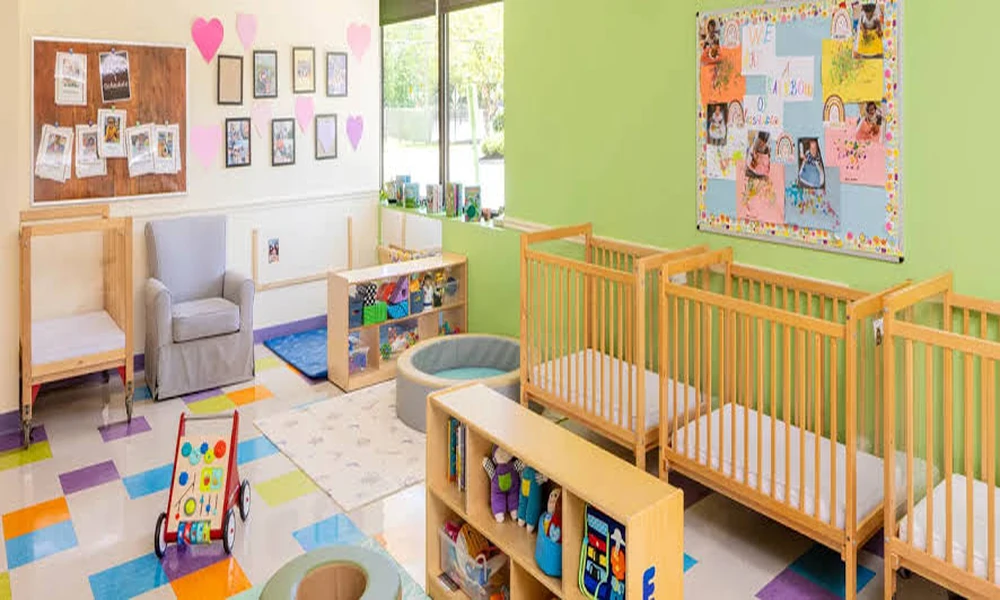
It is a crucial time in early childhood to form emotional awareness, confidence, communication, and relationships. A good melrose daycare center is capable of offering a safe and conducive environment to the children to enable them to share feelings, bond with others, and learn to cope with all aspects of emotions in their day-to-day life. Regular schedules and supportive educators will be able to make children feel safe and provide them with a chance to nurture trust and form a positive outlook on themselves. It is when children are aware that adults will listen to them and also take their personal needs into account that they are more likely to engage in learning and social experiences with confidence.
Reality Learning (Day-to-Day)
Daycare gives children frequent chances to meet other children with other personalities, interests, and developmental abilities. Cheating through group games, imaginative play, discussions, and shared projects, children start to understand how to share, collaborate, take turns, and listen to others. Even these simple experiences can be considered to be useful in societal learning. Teachers are able to help children to solve disagreements and realize various points of view instead of merely offering them solutions to them. Such interactions may, over time, bolster communication, empathy, patience, and relationship-building skills.
Promoting Self-Confidence and Independence
The social-emotional development also closely relates with the increased independence of a child. Children can get a sense of achievement through responsibilities that are appropriate to their age, whether it is putting away toys or selecting activities, aiding classroom routines, or trying something on their own. The early learning environment should be supportive so that the children should have the opportunity to make a mistake and redo it. Teachers have the opportunity to provide support and leave children to make right decisions on their own. This balance makes the children mature with confidence and self-awareness and so that they can manage new needs.
Promoting Child-Led Exploration and Expression
Children will not necessarily convey their feelings in any verbal form. They can be offered alternative outlets to express thoughts and feelings through play, movement, drawing, storytelling, and exploration. The child-centered learning approach may stimulate interest and enable teachers to see in which ways children react to various experiences. An example of this is the Little Elephant Learning Center, where the authors explain that through experimentation, exploration, and questioning, young children learn. Its given approach also focuses on responsiveness among staff, self-direction, and independence, and the opportunities related to individual interests of children.
Development of Good Family Partnerships
This interaction enables children to gain benefits as the caregivers and educators are able to exchange regular communication about their experiences, interests, progress, and evolving needs. A good relationship between families and early learning centers can be used to establish continuity between daycares and home. Parents may provide details on routines or concerns, and the educators can give observations regarding the social interactions and the classroom experiences. The Little Elephant Learning Center puts families at the core of educating its children and presents the proposed program as the meaningful and inclusive one that aims at helping children separate and develop as individuals. The final result of this is that by selecting a nurturing daycare setting, children are provided with invaluable experiences to be emotionally resilient, independent, empathetic, and possess positive social skills, which will continue to be useful long after school.