

Choosing the right curriculum is one of the most important decisions parents make when planning their child’s education. With several international education systems available today, understanding their teaching methods, assessment patterns, academic structures, and learning outcomes can help families make an informed choice. Each curriculum offers valuable opportunities, but the right option should support a child’s interests, abilities, and long-term aspirations.
Among the various educational options, IB schools in Mumbai are gaining attention for their focus on holistic development, independent thinking, and practical learning. The International Baccalaureate (IB) curriculum offers an educational experience that goes beyond conventional classroom teaching by encouraging students to explore concepts, ask questions, and connect academic knowledge with real-world situations. Comparing IB with other international curricula can help parents understand what makes each learning pathway different.
1. Learning Approach and Teaching Methodology
One of the biggest differences between international curricula is how students are encouraged to learn.
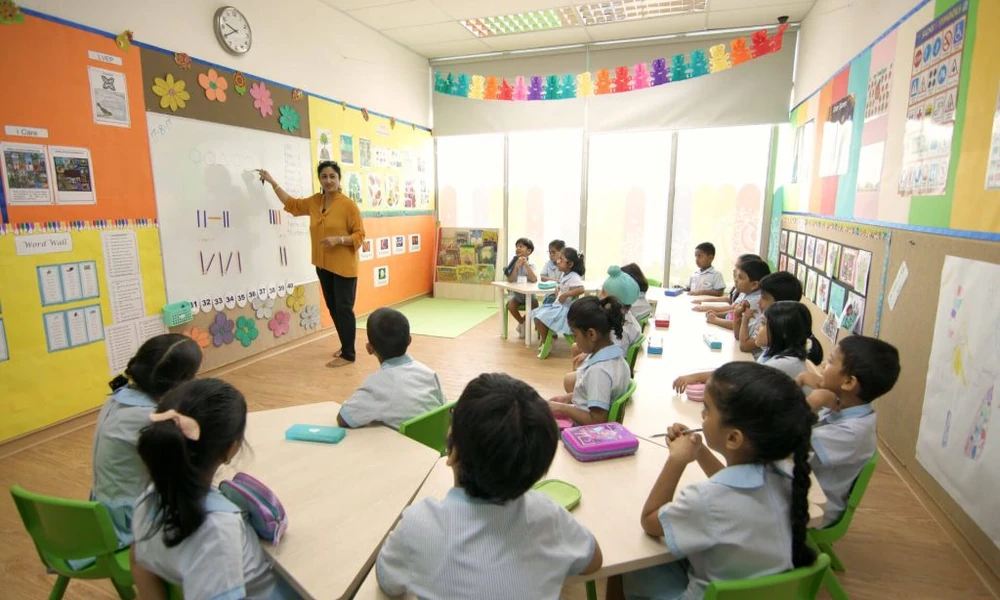
The IB curriculum follows an inquiry-based approach where students actively participate in their education. Instead of simply receiving information, they investigate topics, ask questions, conduct research, and develop their own understanding. Collaborative projects, classroom discussions, and practical activities make learning interactive.
Other international curricula may follow more structured teaching approaches, with greater emphasis on subject-based instruction, textbooks, and clearly defined learning objectives. These methods can also provide strong academic foundations, depending on how they are implemented.
2. Curriculum Structure and Subject Choices
Different curricula offer distinct academic structures and subject combinations.
The IB framework includes four main programmes:
- Primary Years Programme (PYP): Encourages curiosity, creativity, and foundational learning among younger students.
- Middle Years Programme (MYP): Develops subject knowledge, critical thinking, and connections between different disciplines.
- Diploma Programme (DP): Provides advanced academic learning through a combination of subject choices and core components.
- Career-related Programme (CP): Combines academic studies with career-focused education and practical skills.
Cambridge and other international curricula offer structured subject pathways, allowing students to specialise in selected academic areas as they progress. The choice depends on whether families prefer an integrated learning experience or a more subject-focused structure.
3. Assessment and Examination Methods
Assessment plays an important role in measuring student progress and identifying areas for improvement.
The IB curriculum uses a combination of internal assessments, projects, presentations, research assignments, and examinations. Students are encouraged to demonstrate their understanding through different formats rather than relying entirely on written tests.
Other curricula may place greater emphasis on formal examinations, standardised assessments, and subject-specific testing. These approaches help evaluate academic knowledge and provide measurable performance indicators.
Both systems can support academic excellence, but IB offers students additional opportunities to demonstrate practical understanding and analytical abilities.
4. Focus on Critical Thinking and Research
Developing independent thinkers is an important objective of modern education.
IB programmes encourage students to analyse information, evaluate different perspectives, and develop logical conclusions. Research assignments and inquiry-based activities help learners become comfortable exploring complex questions.
For example, the Diploma Programme includes components such as the Extended Essay and Theory of Knowledge, which encourage independent research and reflection.
Other international curricula also incorporate research and analytical learning, although the extent and format may vary. The IB framework gives these skills a particularly visible role throughout the educational journey.
5. Holistic Development and Extracurricular Activities
Education involves more than academic achievement. Students also benefit from opportunities to develop creativity, communication, leadership, and social responsibility.
The IB curriculum promotes holistic development through collaborative activities, creative projects, physical education, and community engagement. Its Creativity, Activity, Service (CAS) component in the Diploma Programme encourages students to participate in experiences beyond traditional academics.
Other international curricula also recognise extracurricular development through sports, arts, clubs, and enrichment activities. Parents should explore how effectively a school integrates these opportunities into everyday learning.
6. Global Perspective and Future Readiness
International exposure can help students develop cultural awareness and understand different perspectives.
The IB curriculum places significant emphasis on international-mindedness, encouraging learners to appreciate diversity, respect different viewpoints, and understand global challenges. These experiences can help students develop communication, adaptability, and collaboration skills.
Other international curricula also prepare students for higher education and global opportunities. The best choice depends on the student’s academic goals, preferred learning environment, and future aspirations.
Conclusion
Understanding the differences between IB and other international curricula helps parents make confident educational decisions. While each system offers valuable academic opportunities, the IB framework stands out for its inquiry-based learning, research orientation, critical thinking, and holistic development.
For families exploring IB schools in Mumbai, evaluating teaching methodologies, programme structures, assessment approaches, extracurricular opportunities, and student support is essential. Ultimately, the right curriculum is one that nurtures curiosity, builds confidence, encourages independent thinking, and prepares children to succeed academically and personally in an evolving world.